01
Aurora V2 thermostat
Learns the heating curve of a flat in nine days. The only one here that keeps its schedule when the Wi-Fi drops.
$199scored 9.1/10
We wire up every device, measure it, and live with it for thirty days. Latency, power draw, offline reliability: the numbers come from our own install, not from the spec sheet.
Of the twenty-three products we bought this year, six stayed on the wall. Here is why, and where each one still trips up.
Learns the heating curve of a flat in nine days. The only one here that keeps its schedule when the Wi-Fi drops.
Person detection runs on the device itself. No frame leaves your network until you export it yourself.
Slides under the washing machine and screams at 95 dB within eight seconds. Tested in a two-millimetre puddle.
Opens in 0.6 s, issues time-limited guest codes, keeps a real mechanical cylinder as backup. Fitting takes twelve minutes.
It only spins up once VOCs pass 60. That means 41 dB overnight instead of the 52 dB the factory auto mode gives you.
The pivot of the whole install: Zigbee, Thread and Matter in one box, with automations that keep firing when the internet is down.
Latency measured from press to action across one hundred triggers. Battery life recorded over thirty days of real use, not standby.
| Device | Latency | Battery | Works offline | Subscription | Standby | Score |
|---|---|---|---|---|---|---|
| Nimbus Core hub | 22 ms | mains | yes | none | 3.1 W | 9.3 |
| Vapor Leak sensor | 310 ms | 34 months | yes | none | 0.0 W | 9.4 |
| Aurora V2 thermostat | 38 ms | mains | yes | none | 1.4 W | 9.1 |
| Bolt Mesh lock | 600 ms | 9 months | yes | none | 0.0 W | 8.9 |
| Lumen Iris camera | 140 ms | mains | partial | optional | 4.8 W | 8.7 |
| Halo Air purifier | 450 ms | mains | no | none | 2.2 W | 8.4 |
Copy them straight into your hub. Each one runs locally, so it survives a router outage.
The sensor shuts the valve, turns every ceiling light red, and sends a push notification before the app has finished opening.
After twenty minutes with no motion and no phone on the network, the heating drops three degrees and the lock engages.
Water heater and dishwasher start at 22:34, the moment the tariff flips. This one routine accounts for half of the 412 kWh we saved.
Each guide answers one specific failure, with the measurement or the command that resolves it. No listicles.
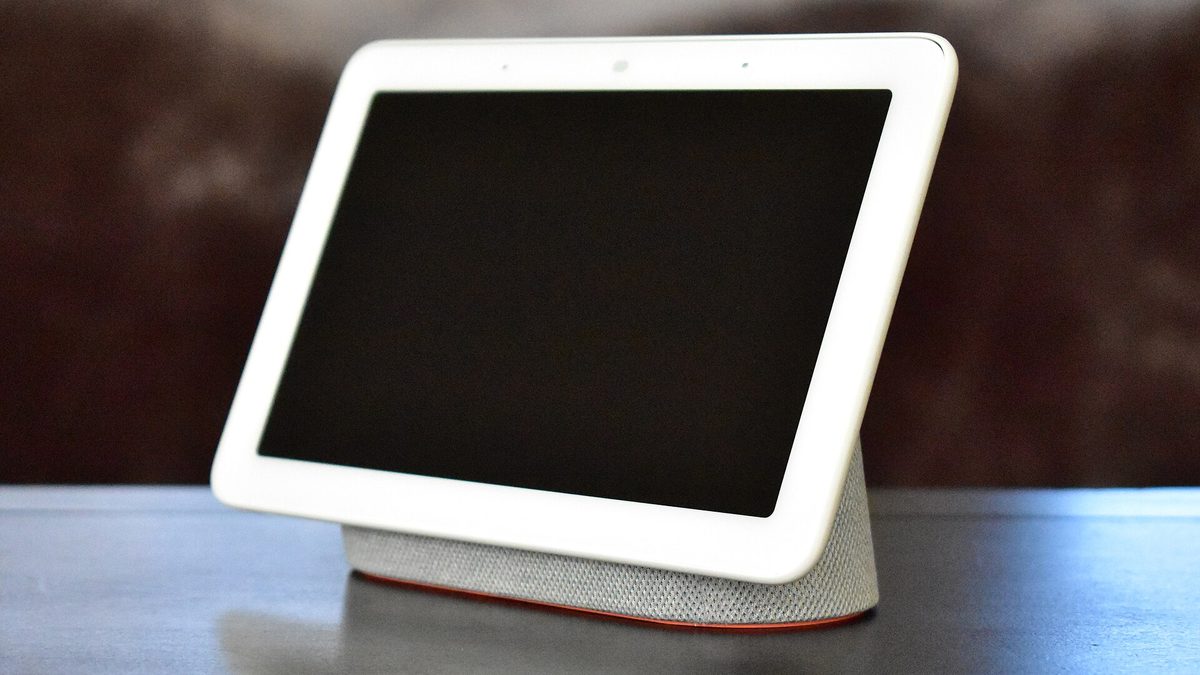 Pairing
The error almost never means what it says. Nine times out of ten the border router exists and IPv6 is the thing that is broken.
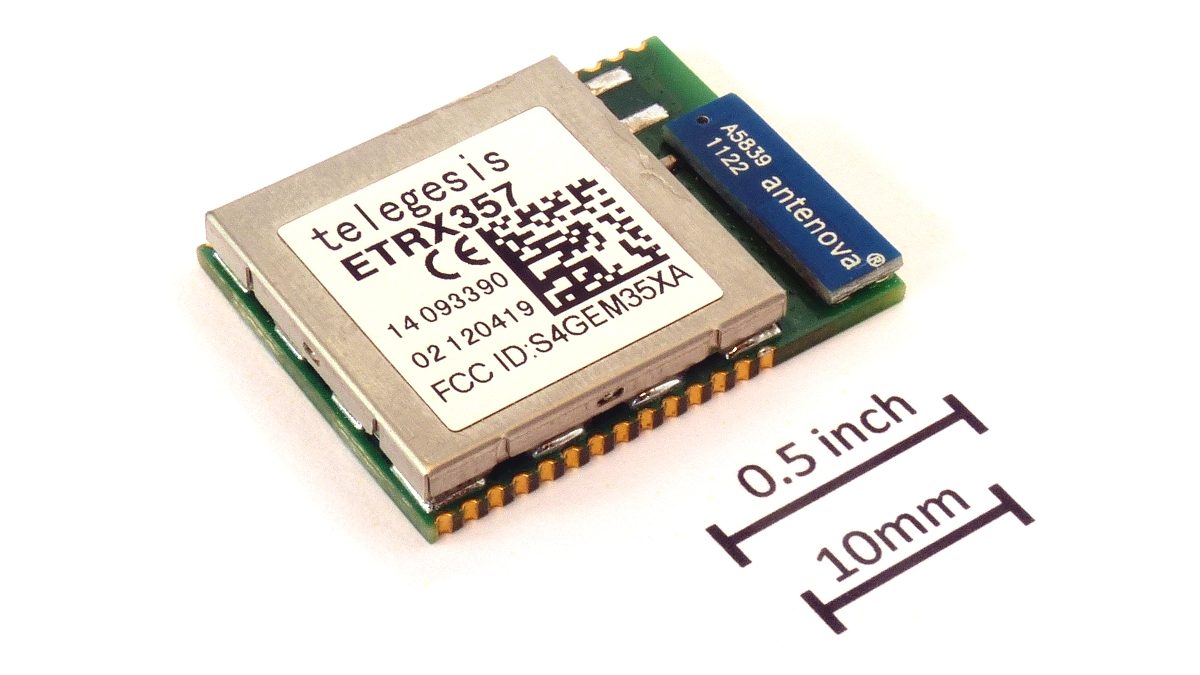 Radio
RadioZigbee 15, 20 and 25 exist for a reason. Here is the overlap map and how to move channel without re-pairing forty devices.
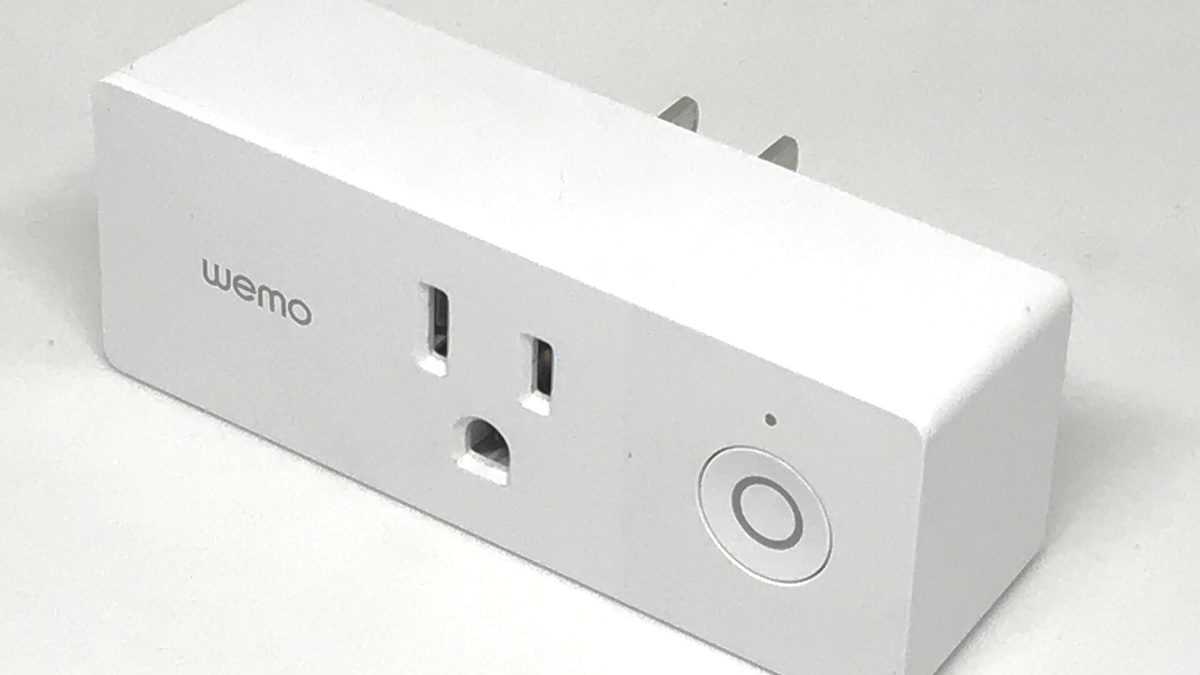 Longevity
Wemo's cloud went dark in January 2026. Here is the four-question test we now run before any purchase.
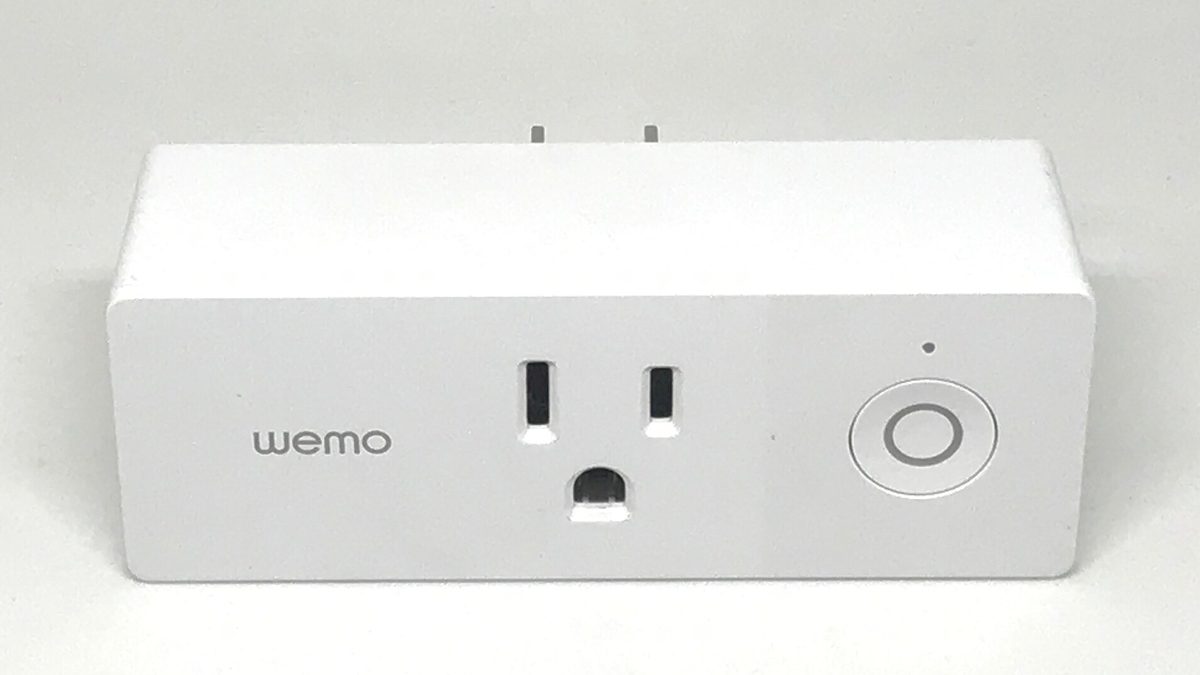 Renting
Adhesive, battery and plug-in only. A complete setup for under $200 that fits in one box on moving day.
 Energy
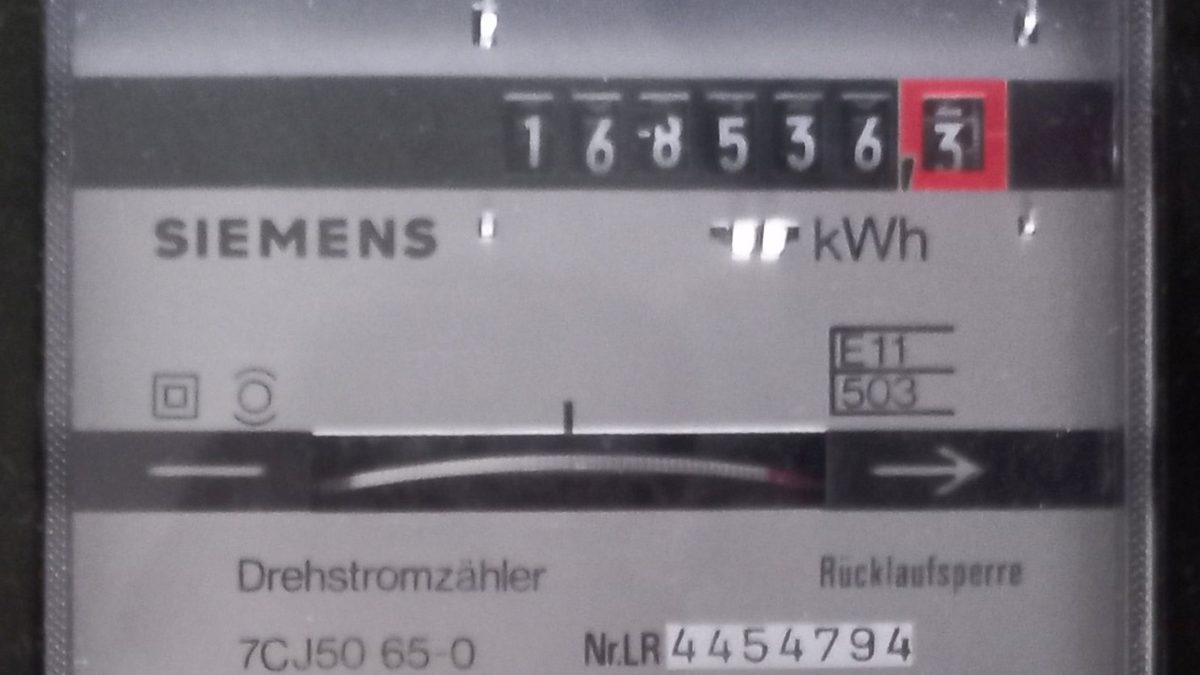
Standby is 5 to 10 percent of household electricity. We metered every device in the house to find out which ones deserve it.
 Resilience
We pulled the WAN cable for 72 hours and logged every device. Here is what kept its promises.
Photos from Wikimedia Commons, used under their free licences. Credits and licences
The four questions worth settling before the first device arrives, because they decide everything that comes after.
Wi-Fi is fine for five or six devices. Past that, every sensor holding an always-on Wi-Fi association starts to congest the band and drain its own battery. A hub speaking Zigbee or Thread moves those devices off Wi-Fi entirely and typically cuts sensor battery drain by a factor of ten.
Matter guarantees the basics: on, off, brightness, temperature setpoint. It does not guarantee the manufacturer-specific features, and a Matter device can still be cloud-dependent for firmware and notifications. Check the transport underneath, Wi-Fi, Thread or Ethernet, before checking the logo.
In our measurements, shifting loads to off-peak tariffs saved far more than any efficiency gain: 206 of our 412 kWh came from one schedule on the water heater and dishwasher. Smart bulbs saved almost nothing and added 1.1 W each in standby.
Assume five years for anything that requires a vendor cloud account, and treat the local fallback as the real specification. A device with local control keeps working after the company stops caring; a cloud-only device becomes a plastic shell the day the servers are turned off.
Every week: what we plugged in, what survived, and what went back in the box. No hidden affiliate codes, sponsored links are flagged at the top of the article.
Subscribe free