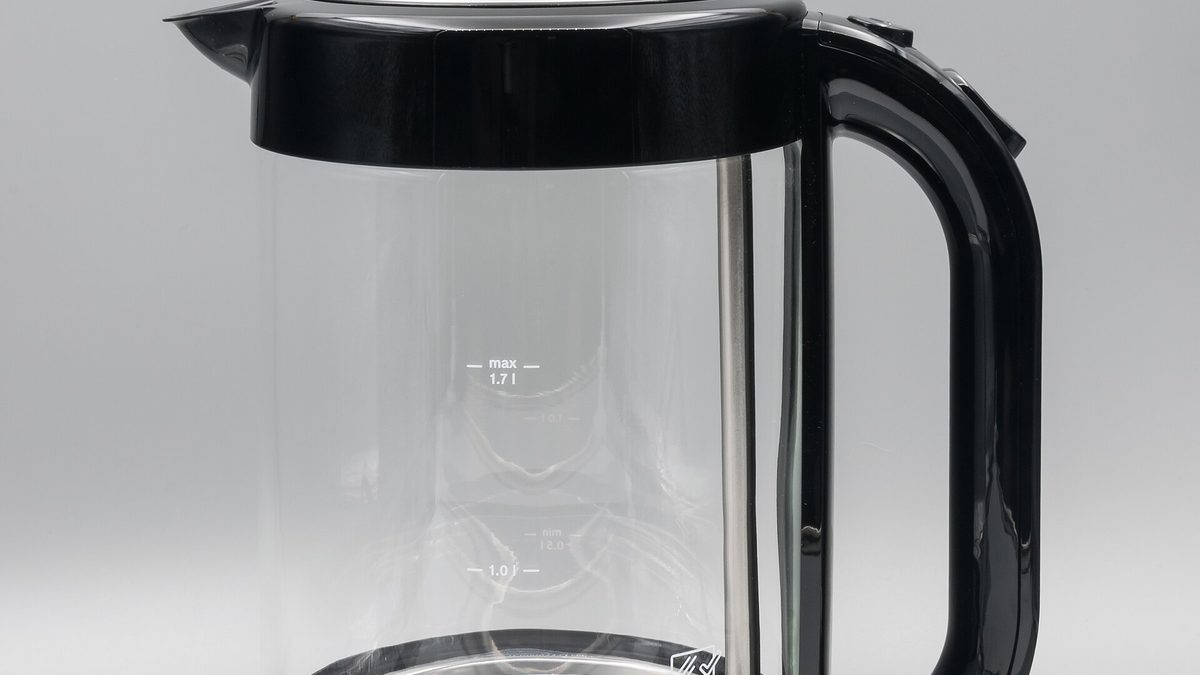
Camera-free monitoring works by learning a daily routine and flagging deviation, not by watching a person. Door, motion and appliance sensors establish when the kettle is normally used, when the bathroom is visited and when the front door opens; radar sensors add fall detection without producing an image.
- Deviation is the signal, not activity. The useful alert is “no kettle by 10 am”, not “motion detected”.
- Radar detects falls without an image, which is what makes bathrooms and bedrooms possible at all.
- Ask the person first. Monitoring installed without consent gets unplugged, and rightly.
- Tune for silence. A system that cries wolf twice a week gets muted before the week it matters.
Why a camera answers the wrong question
A camera records everything and surfaces nothing. It answers “what happened at 14:20”, which helps only once you already know something happened and you are willing to watch. It cannot answer the question families actually have, which is “is today like other days”.
It also changes the relationship. A parent who knows a camera watches the kitchen behaves differently in the kitchen, and a good number of them simply unplug it. Monitoring that gets switched off protects nobody.
Modern aging-in-place systems work by learning the normal pattern and intervening only on deviation. Nobody watches; the system notices. That is a different product from a camera, not a cheaper one.
The five sensors that carry the whole system
| Sensor | Where | What it actually tells you |
|---|---|---|
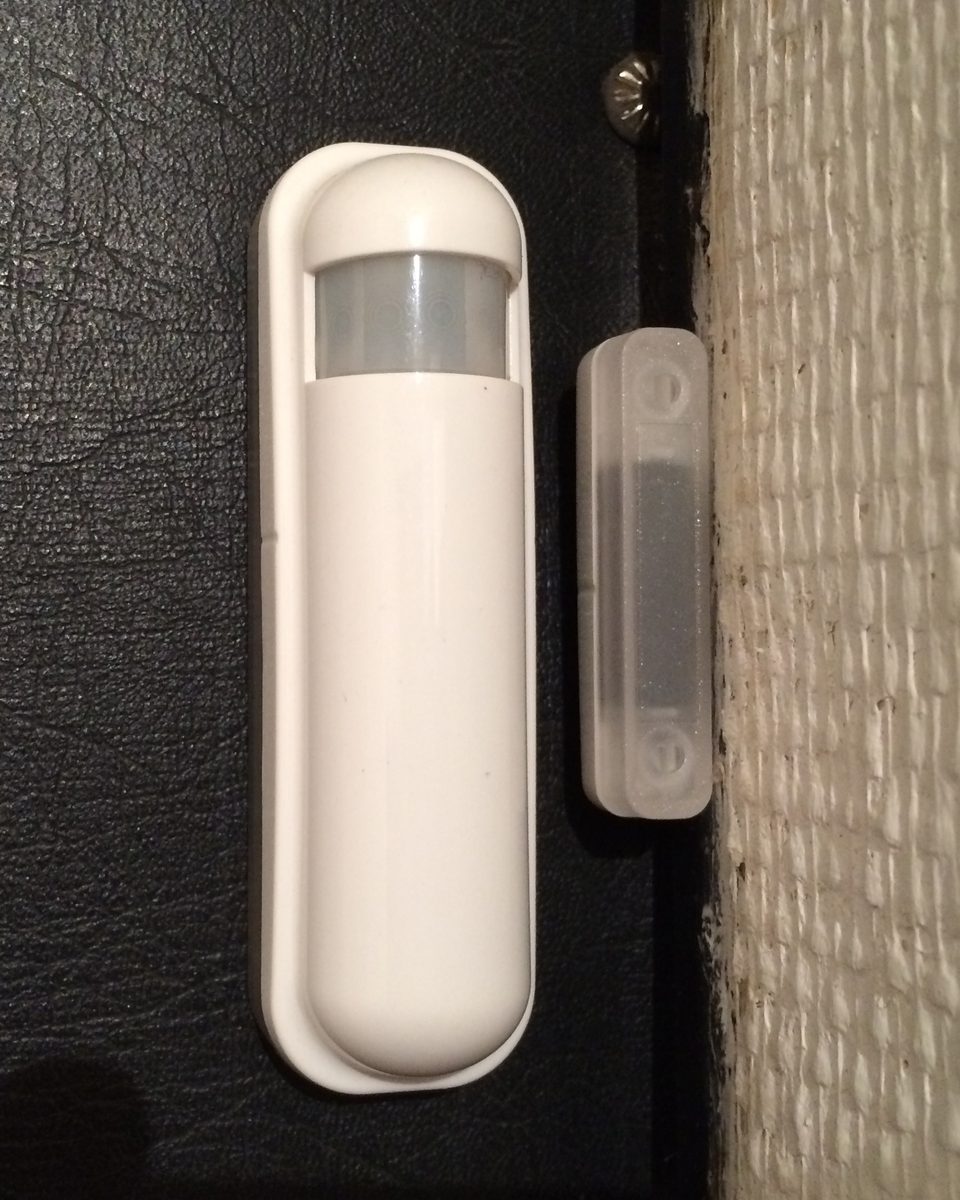
| Contact sensor | fridge door | Meals happened, roughly when |
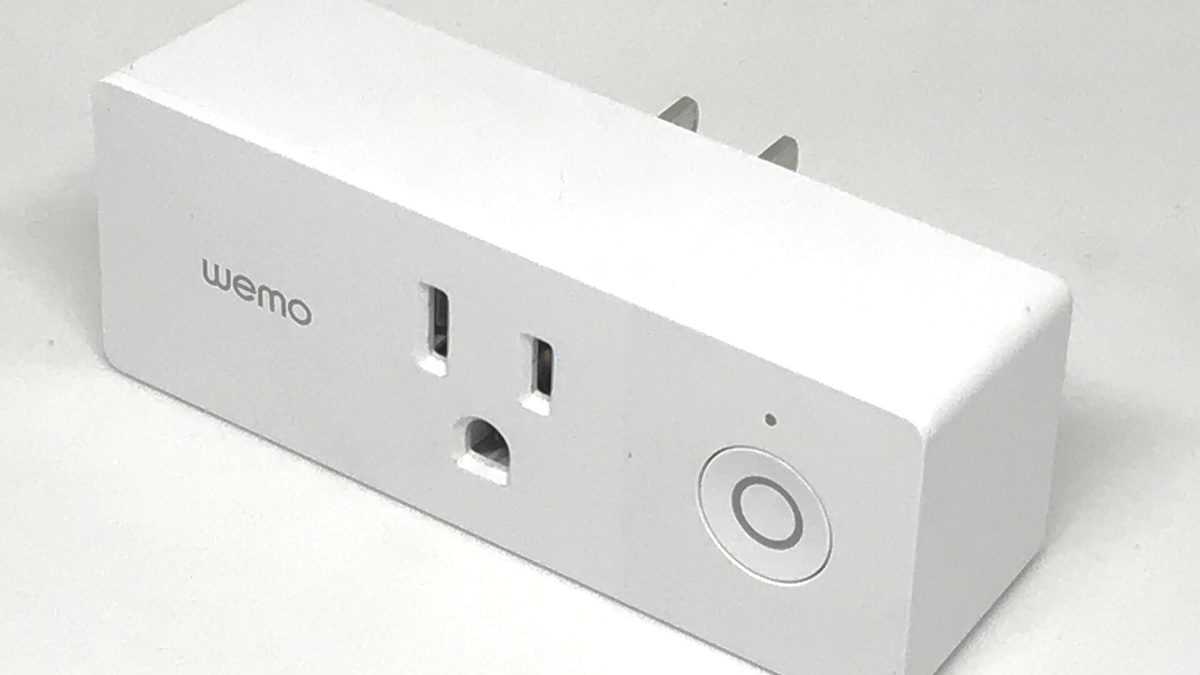
| Metering smart plug | kettle or coffee machine | The most reliable morning signal there is |
| Motion sensor | bathroom | Night visits, and their frequency changing |
| Contact sensor | front door | Left the house, and came back |
| Motion sensor | bedroom | Got up, and roughly when |
Note what is absent: no wearable, nothing to charge, nothing to remember to put on. Every one of these is passive, and the person does not have to participate in being monitored. That is the design goal, not a compromise.
A metering plug under a kettle is the highest-signal, lowest-cost device in this entire guide. It costs $12, needs no configuration, and “the kettle has not been used and it is 10 am” is the alert that actually catches a bad morning.
Alerts that stay believable
The failure mode of every monitoring system is the false alarm. Two a week and the family mutes it; the week it matters, nobody is listening. Thresholds should be set so that an alert is rare and always worth a phone call.
Give every rule a generous window, and compare against that person's own median rather than a general figure. Somebody who has always been up at five does not need an alert at eight, and somebody who never rises before ten should not generate one every single morning.
Fall detection, honestly
Radar-based fall detection is the part of this field that has genuinely improved. A 60 GHz sensor measures body angle and the speed of the change, which lets current systems distinguish a stumble from a fall and alert a contact without producing an image. That is what makes a bathroom sensor acceptable at all.
Two honest limitations. It works only in the room it is in, so it is a per-room cost, and bathrooms and stairs are where falls happen. And it is a detector, not a guarantee: a fall outside its coverage, or against a wall it cannot see past, can be missed. Treat it as one layer alongside routine sensing that notices somebody has not moved between rooms all morning.
- Bathroom and hallway first. The risk concentrates there, and a camera is out of the question in both.
- Check what happens when the internet drops. An alert that only exists in the cloud is not an alert. Local siren first, remote notification second.
- Test it deliberately, twice a year, with a controlled drop onto a mattress. An untested alarm is a decoration.
- Have a second contact. One phone on silent defeats the entire installation.
The conversation to have first
Installing this without asking is the most common mistake and the one that guarantees failure. Sensors get unplugged, and the family finds out three weeks later at the worst possible moment.
What worked in our own family: agree exactly which signals are shared and which are not, write it down, and give the person a way to switch it off. Access to the kettle and the front door, and nothing about which room somebody is in at 9 pm, is a bargain most people accept. Being monitored comprehensively without a say is one nobody does.
Frequently asked
Can you detect a fall without a camera?
Yes. Radar sensors measure body angle and the speed of change, which distinguishes a fall from sitting down, and they produce no image at all. That is what makes them usable in bathrooms and bedrooms.
Is a wearable button better than sensors?
It is better if it is worn, and it usually is not, especially at night and in the bathroom. Passive sensing needs no cooperation, so use it as the base layer and treat a wearable as an addition.
What does a camera-free setup cost?
Around $150 to $200 for the routine layer: hub, metering plug, two contact sensors, two motion sensors. Radar fall detection adds $40 to $80 per room.
Will it work if the broadband goes down?
Only if the automations run locally. Choose a hub that evaluates rules on the device and can raise a local siren, then treat the phone notification as the second channel rather than the only one.
Keep reading
 Pairing
"Your device requires a Thread border router": the real fix
The error almost never means what it says. Nine times out of ten the border router exists and IPv6 is the thing that is broken.
 Radio
RadioZigbee and Wi-Fi on 2.4 GHz: pick the channel that stops the drops
Zigbee 15, 20 and 25 exist for a reason. Here is the overlap map and how to move channel without re-pairing forty devices.
 Longevity
The great bricking: how to buy gear that outlives its manufacturer
Wemo's cloud went dark in January 2026. Here is the four-question test we now run before any purchase.