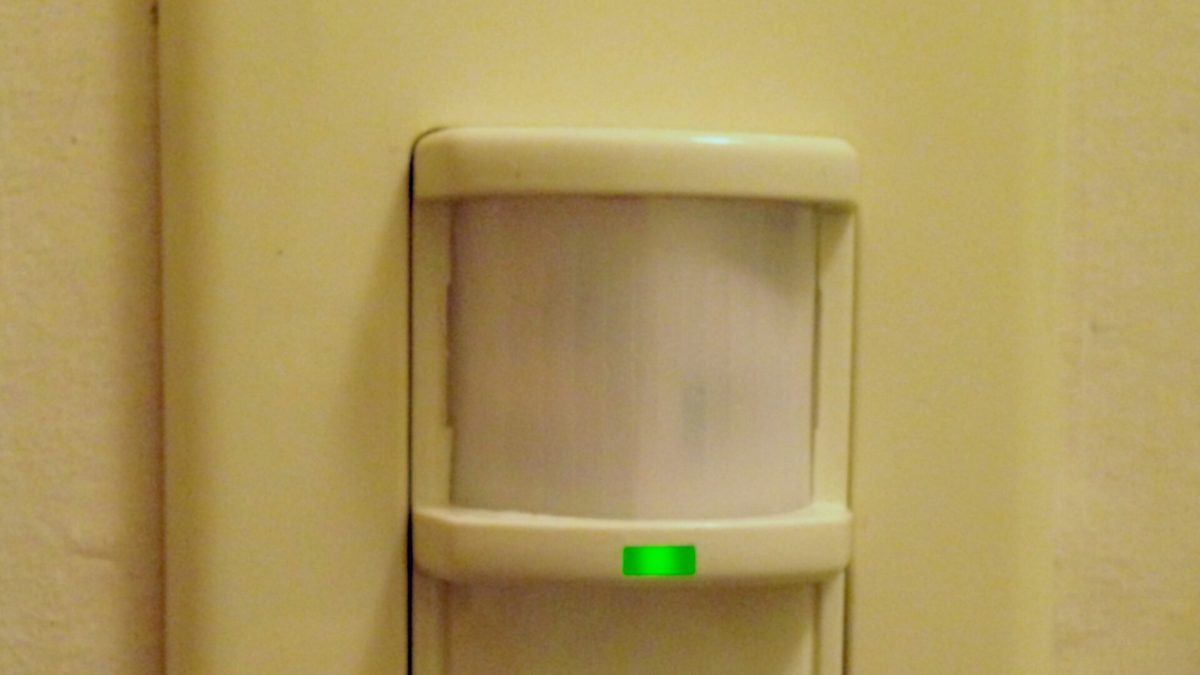
Pet immunity comes from lens geometry, not software: the lower detection beams are blanked so an animal near the floor stays outside them. That only holds at the mounting height the manufacturer specifies, usually 2.0 to 2.3 m, aimed level. Mounted lower, tilted down, or facing a staircase, the rating stops applying.
- Height is the setting. Most pet-immune ratings assume 2.0 to 2.3 m, aimed level, not tilted down.
- Weight ratings assume floor level. A 25 kg rating means nothing for an 8 kg cat that climbs.
- Stairs and furniture defeat it, because they lift the animal into the upper beams.
- A door contact never false alarms on a pet. Where it fits, use it instead.
How pet immunity actually works
A PIR lens splits the field of view into stacked wedges. In a pet-immune sensor the lowest wedges are blanked out, so a body moving close to the floor never crosses an active zone. There is no animal detection and no intelligence involved. It is a shape, cut into plastic.
That geometry produces the intended blank zone only at the height it was designed for. Drop the sensor to 1.5 m for a tidier install and the blanked wedges now point at the wall behind the sofa, while the active ones sweep the floor where the dog sleeps.
A stated pet immunity of, say, 25 kg is measured with the animal at floor level at the specified mounting height. It describes a geometry, not a weight the sensor can somehow sense.
The install that makes the rating true
| Factor | Wrong | Right |
|---|---|---|
| Height | 1.4 - 1.6 m, at eye level | 2.0 - 2.3 m, per the manual |
| Angle | tilted down at the floor | level, or the specified tilt only |
| Aim | across the sofa back | across the walkway, not the seating |
| Corner | facing the stairs | facing away from any climbable route |
| Sunlight | opposite a window | away from direct sun and radiators |
The last row catches people who have no pets at all. PIR triggers on rapid heat change, so direct sun moving across a floor, or a heating vent cycling on, produces exactly the signal a walking body does. If your false alarms cluster at the same time each day, look for sun before you look for the cat.
What defeats pet immunity every time
- Stairs in view. A cat four steps up is at chest height and squarely in the active zone. No rating survives this.
- Furniture under the sensor. The back of a sofa, a cat tree, a windowsill: all of them lift the animal into the upper beams.
- Two pets playing. Combined mass and fast erratic motion read like one larger body. Ratings assume one calm animal.
- A sensor aimed along the pet's own route. The bed, the litter tray, the food bowl. Aim across a human walkway instead.
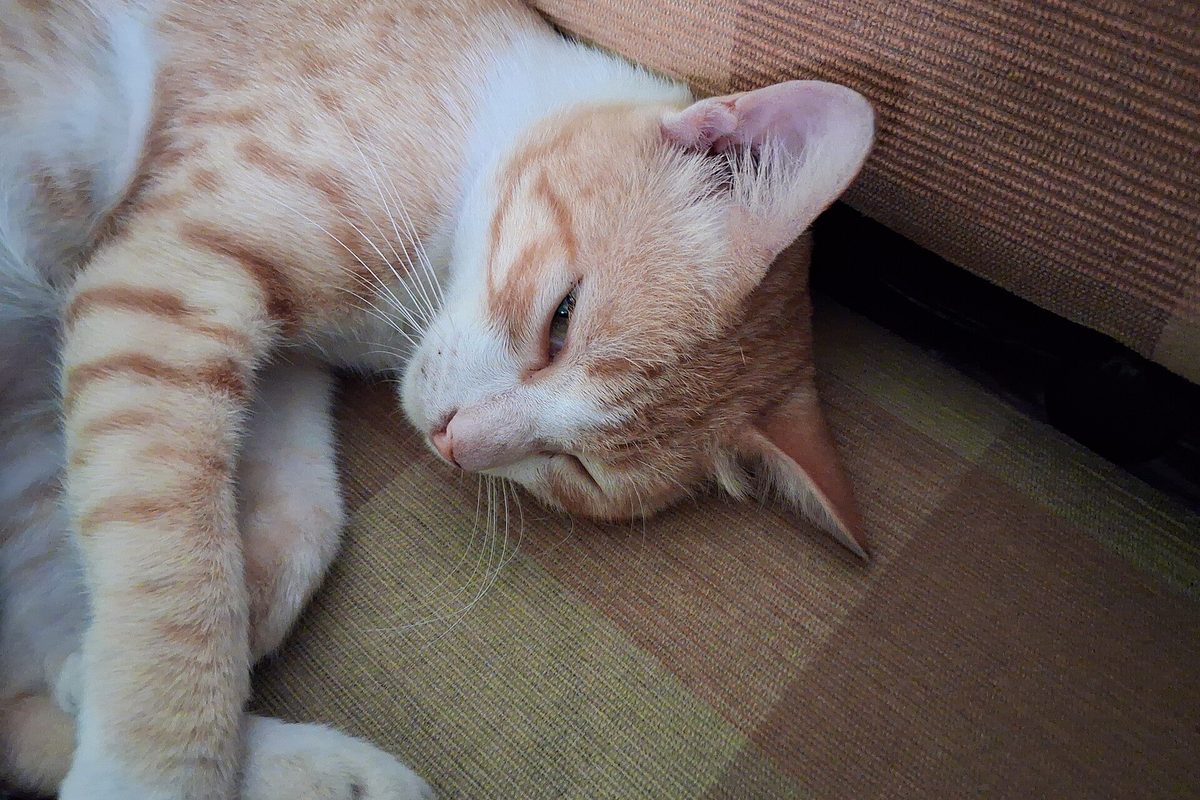
Cats defeat pet immunity by design, because they get high. In a house with a climbing cat, door and window contacts on the perimeter give you a real alarm with a false-alarm rate of essentially zero, and no geometry to get right.
Sensor choices that ignore animals
If mounting cannot solve it, change what you are sensing. In rough order of how well this works:
| Approach | False alarms on pets | Trade-off |
|---|---|---|
| Door and window contacts | none | Detects entry, not movement inside |
| Vibration sensor on glass | very rare | Needs one per window |
| mmWave with a height gate | rare | Costs more, needs configuring |
| Dual-tech PIR plus microwave | rare | Both must agree, so slightly slower |
| Pet-immune PIR, mounted right | occasional | Cheapest, geometry-dependent |
| Ordinary PIR | constant | Not with an animal in the house |
A perimeter of contacts plus one correctly mounted interior sensor is the arrangement we settled on. The contacts do the alarming, the interior sensor confirms, and the animal walks around under all of it without ever being the reason a phone lights up at three in the morning.
Frequently asked
Do pet-immune motion sensors really work?
They work at the mounting height they were designed for, usually 2.0 to 2.3 m aimed level. Mounted lower or tilted down, the blanked zones point at the wrong part of the room and the rating no longer applies.
Why does my sensor trigger with the pet asleep in another room?
Most likely direct sunlight crossing the floor, or a heating vent cycling. Both produce a fast heat change, which is exactly what a PIR looks for. False alarms at the same time each day are almost never the animal.
What weight rating do I need for a cat?
Weight is the wrong axis for cats, because they climb. An 8 kg cat on a windowsill is at the height of a person. Use contacts on the perimeter, or a sensor with a height gate.
Is dual-tech worth it over pet-immune PIR?
In a house with animals, yes. Requiring PIR and microwave to agree removes almost all animal triggers, at the cost of a slightly slower trigger and roughly double the price.
Keep reading
 Pairing
"Your device requires a Thread border router": the real fix
The error almost never means what it says. Nine times out of ten the border router exists and IPv6 is the thing that is broken.
 Radio
RadioZigbee and Wi-Fi on 2.4 GHz: pick the channel that stops the drops
Zigbee 15, 20 and 25 exist for a reason. Here is the overlap map and how to move channel without re-pairing forty devices.
 Longevity
The great bricking: how to buy gear that outlives its manufacturer
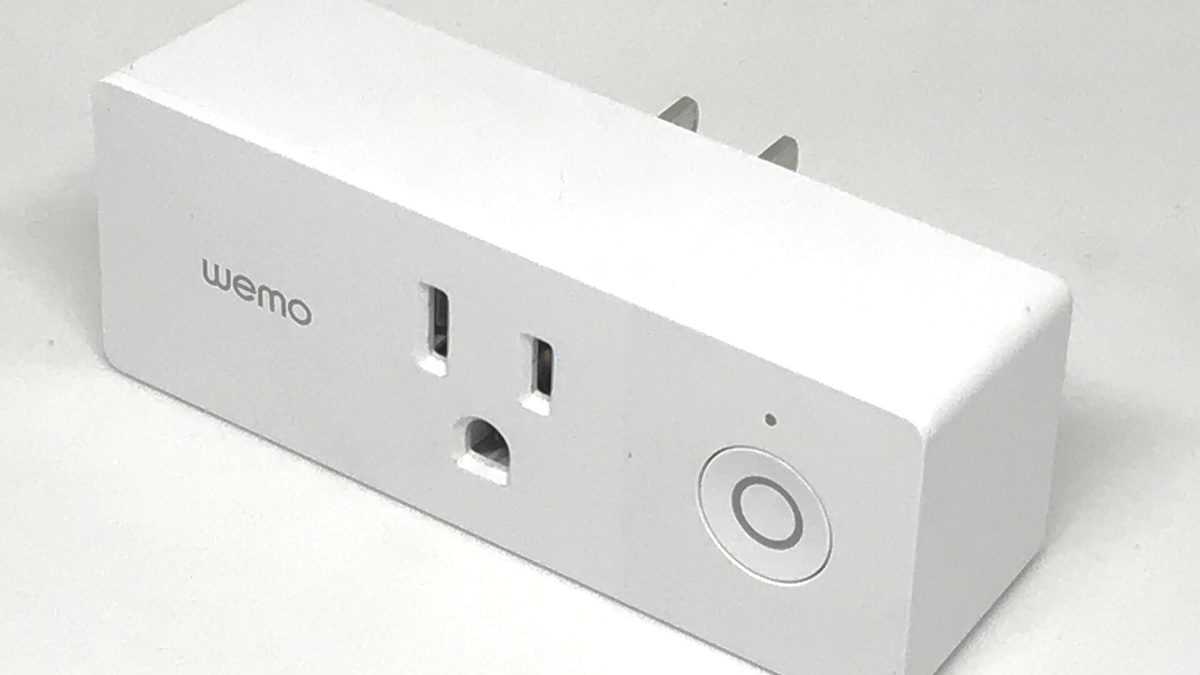
Wemo's cloud went dark in January 2026. Here is the four-question test we now run before any purchase.