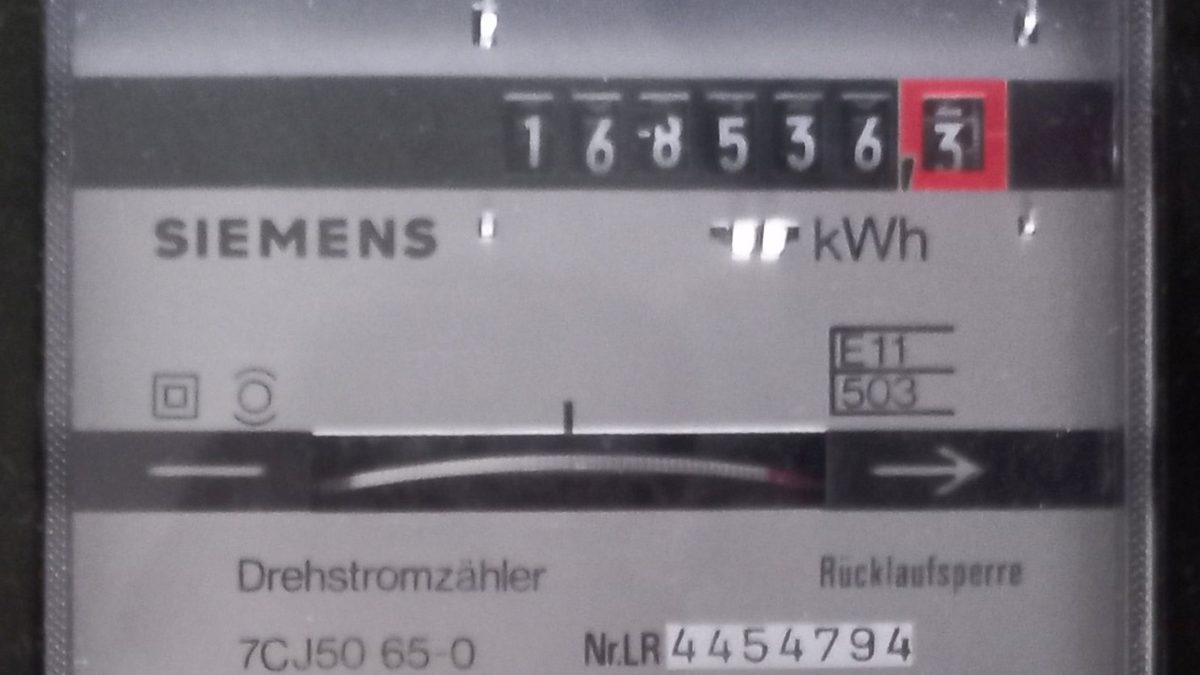
Standby power is 5 to 10 percent of household electricity. One watt of permanent draw costs about $1.23 a year at $0.14 per kWh. Our whole smart home idles at 146 kWh a year, and twelve smart bulbs account for 116 kWh of that, more than the hub, the camera and every plug combined.
- 1 W left on all year is about $1.23 at US rates.
- Smart bulbs dominate, because people install ten or more at 1.1 W each.
- Battery sensors cost nothing at the wall, which is the real argument for a hub.
- Load shifting beat efficiency: 206 of our 412 kWh came from one off-peak schedule.
The arithmetic, once
Every standby figure in this guide comes from the same conversion, and it is worth internalising because it makes the numbers intuitive.
That last line is the one to remember. At typical US rates, one watt of permanent draw costs about $1.23 a year. At European rates nearer $0.30 per kWh, it is about $2.63. So a device idling at 5 W is a $6 to $13 annual subscription you did not sign up for.
A plug-in power meter costs $20 to $30 and pays for itself within months. Anything drawing less than about 0.5 W is below the resolution of cheap meters, so treat sub-watt readings as indicative.
What we measured
Every mains device in the test home, metered for 24 hours at idle with no automations firing, then converted at $0.14 per kWh.
| Device | Idle draw | kWh / year | Cost / year | Worth it? |
|---|---|---|---|---|
| Smart hub | 3.1 W | 27.2 | $3.80 | yes, it replaces others |
| Wi-Fi camera | 4.8 W | 42.0 | $5.89 | yes, if actually watched |
| Voice speaker | 2.9 W | 25.4 | $3.56 | borderline |
| Smart TV standby | 1.7 W | 14.9 | $2.08 | unavoidable |
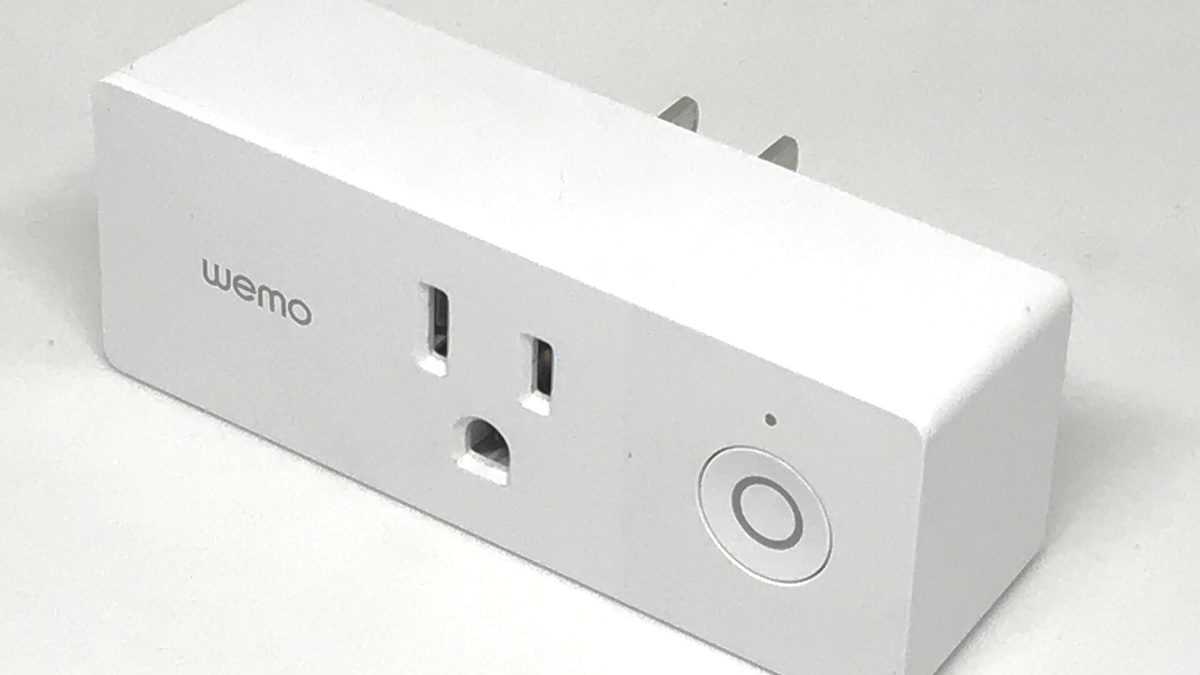
| Smart plug (idle) | 0.9 W | 7.9 | $1.10 | yes, it saves more |
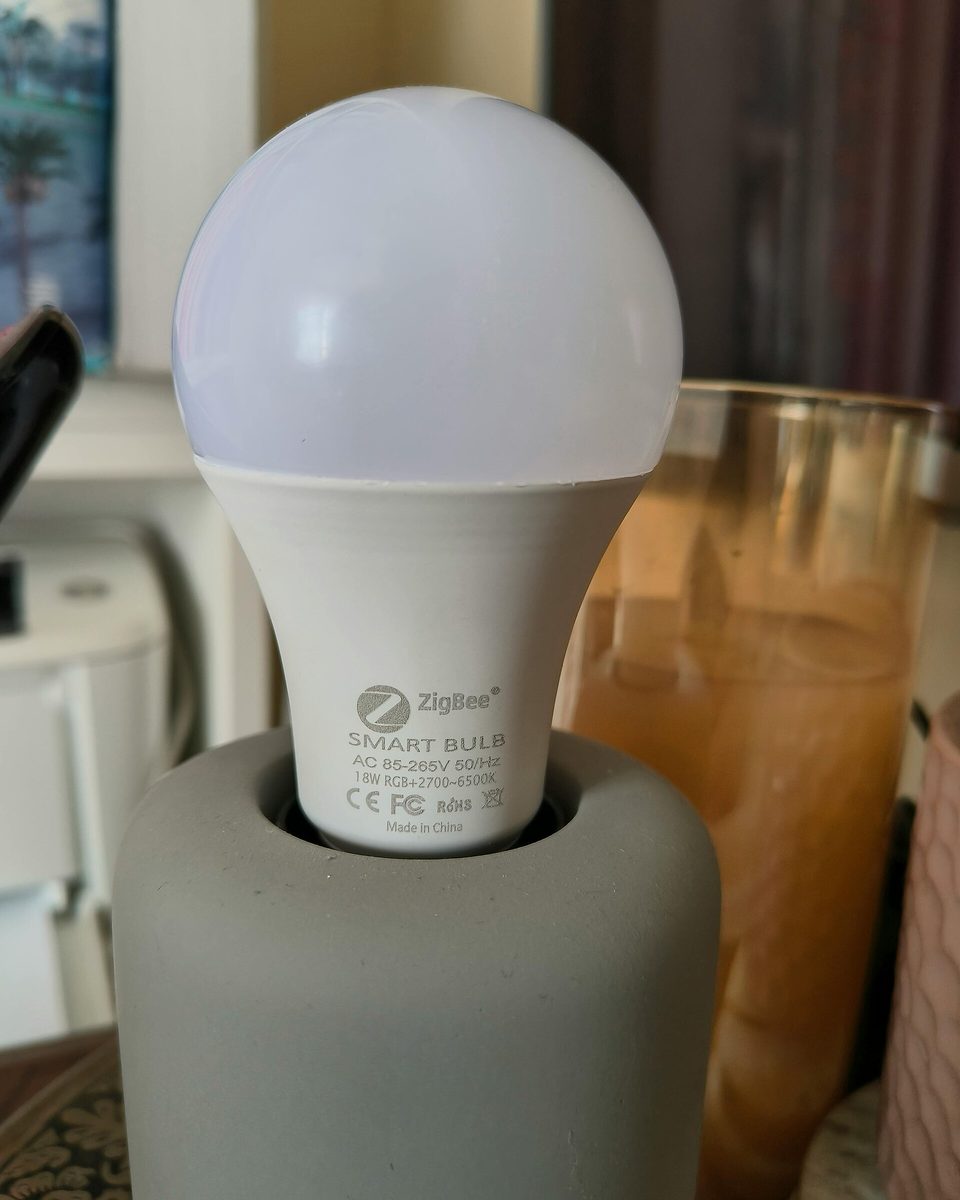
| Smart bulb (off) | 1.1 W | 9.6 | $1.35 | no, ×12 bulbs |
| Air purifier standby | 2.2 W | 19.3 | $2.70 | switch it off |
| Zigbee sensor | 0.0 W | 0.0 | $0.00 | battery, free |
Total for the test home: 146 kWh a year, about $20. That is small against the 1,300 kWh a typical household wastes on standby overall, and the reason is the last row. A Zigbee or Thread sensor costs nothing at the wall, because it runs on a coin cell for two years.
The smart bulb problem
Twelve smart bulbs at 1.1 W each is 13.2 W of permanent draw, 116 kWh, about $16 a year, purely to keep the bulbs listening while switched off. That is more than the hub, the camera and the plugs combined.
Worse, the saving they are sold on is mostly imaginary. An LED bulb at 9 W run four hours a day uses 13 kWh a year. Dimming it to 60 percent saves 5 kWh, about $0.70, and the standby cost of the smart bulb is double that.
Not in the bulb, in the occupancy sensor. Lights that switch themselves off in an empty room save real hours of run time. A dumb LED on a smart plug with a motion sensor beats a smart bulb on both cost and standby.
Where the real savings are
Our 412 kWh annual saving did not come from efficiency. It came from moving loads, and from the two devices that stop waste rather than reduce it.
| Source | kWh / year | How |
|---|---|---|
| Off-peak load shifting | 206 | Water heater and dishwasher on the low tariff |
| Heating setback when away | 118 | Motion and presence, −3 °C after 20 min |
| Lights off in empty rooms | 51 | Motion sensors on plugs, not bulbs |
| Standby killing | 37 | Plugs cutting TV and desk cluster overnight |
Note that off-peak shifting saves money without saving a single kilowatt-hour of consumption. It is the largest line and it is purely tariff arbitrage, which is why it is worth checking whether your supplier offers a time-of-use rate before buying anything at all.
A twenty-minute audit
- Meter the five things that are never unplugged: router, TV cluster, games console, desktop, and anything with a wall wart. These outrank every smart device.
- Convert each reading with the formula above. Anything over 3 W idle is a candidate.
- Put a measuring smart plug on the worst offender and schedule it off overnight. Seven hours off a 15 W cluster is 38 kWh a year.
- Do not put a 0.9 W smart plug on something that draws 1 W. The plug costs more than it saves, and this is the single most common mistake.
- Re-meter after a month. Standby creeps back as devices are added.
The standby cost calculator starts from these measurements; change the devices, counts and your electricity price.
Open the calculatorThe figures in this guide are available as open data (CSV and JSON, CC BY 4.0).
Frequently asked
Do smart plugs use more power than they save?
On a small load, yes. A smart plug idles at around 0.9 W, so it must cut at least that much to break even. On a TV cluster or a desktop it saves ten to twenty times its own draw. On a phone charger it is a net loss.
Is standby really 5 to 10 percent of a household bill?
That is the Department of Energy figure, roughly $92 to $183 a year, and it matches what we metered. Almost none of it is smart home gear, though. It is entertainment and computing equipment.
Which smart device wastes the most?
In our measurements, Wi-Fi cameras at 4.8 W each, followed by any collection of smart bulbs. The bulbs are worse in aggregate because people install ten or more.
Does a hub increase or decrease total draw?
It decreases it, if it lets you use battery sensors instead of Wi-Fi ones. The hub costs 3.1 W and can replace a dozen Wi-Fi devices that would idle at 1 to 2 W each.
Keep reading
 Pairing
"Your device requires a Thread border router": the real fix
The error almost never means what it says. Nine times out of ten the border router exists and IPv6 is the thing that is broken.
 Radio
RadioZigbee and Wi-Fi on 2.4 GHz: pick the channel that stops the drops
Zigbee 15, 20 and 25 exist for a reason. Here is the overlap map and how to move channel without re-pairing forty devices.
 Longevity
The great bricking: how to buy gear that outlives its manufacturer
Wemo's cloud went dark in January 2026. Here is the four-question test we now run before any purchase.