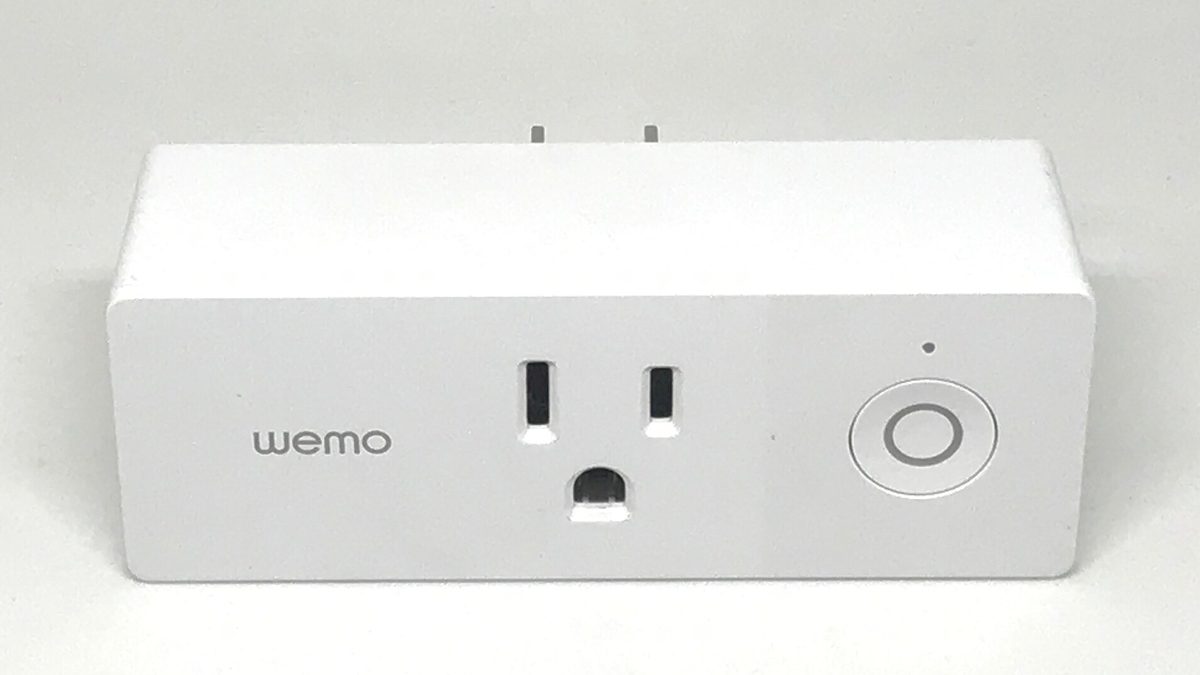
A complete renter-friendly smart home costs about $186 and uses only adhesive, battery and plug-in devices, so nothing is drilled and nothing is left behind. Start with the hub, then contact sensors, then metering plugs. Skip smart bulbs: a plug on a lamp does the same job and survives the wall switch being off.
- Nothing drilled, nothing wired. Adhesive, battery and plug-in only.
- Replace the factory VHB tape with removable strips before mounting, not after.
- Skip smart bulbs first; a metering plug on a lamp is cheaper and more useful.
- Photograph sensor positions before taking them down to move.
The rule that shapes every choice
One constraint drives the whole build: nothing may modify the property. That rules out hardwired switches, doorbell transformers, in-wall relays and anything requiring a hole. It leaves more than you would expect, because the interesting half of a smart home is sensing, not switching.
The second constraint is portability. A renter moves. Every device here re-commissions to a new home in minutes and nothing is calibrated to a specific room in a way that cannot be redone.
$186 at the prices we paid, covering nine devices across sensing, lighting, security and energy. No subscription, no monthly fee.
What to buy, in order
Build in this order. Each layer is useful on its own, so you can stop at any point.
| Layer | Device | Mounting | Cost | Why first |
|---|---|---|---|---|
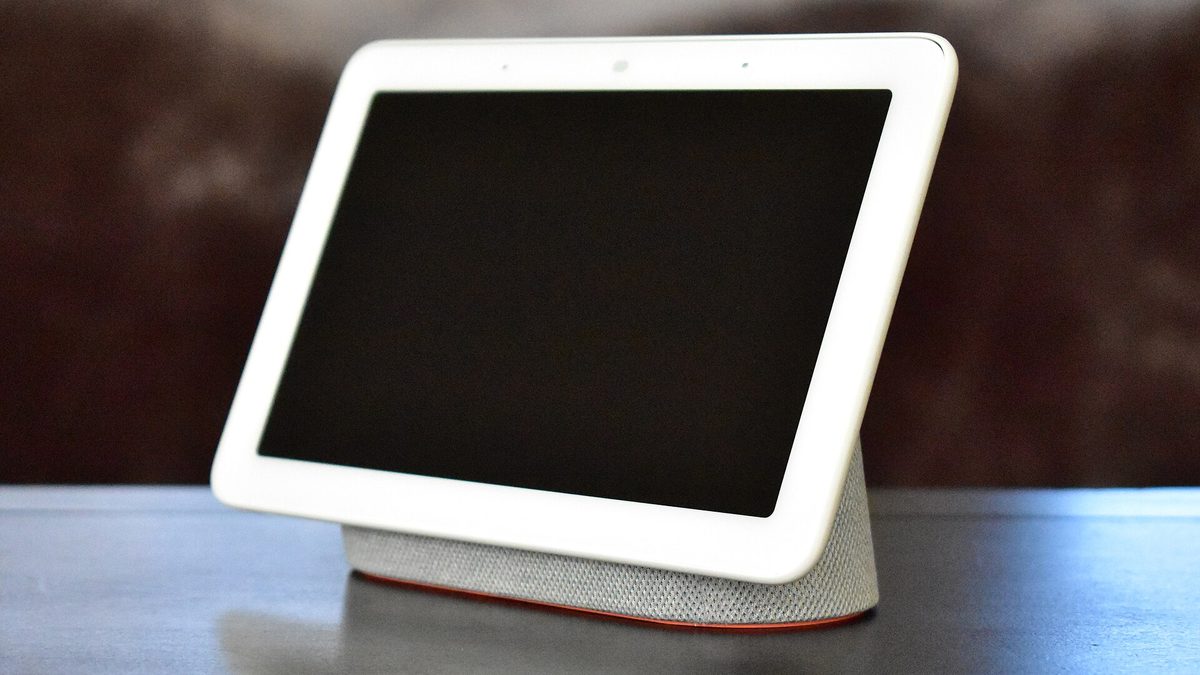
| 1. Brain | Compact Zigbee/Thread hub | sits on a shelf | $60 | Everything else joins it, keeps working offline |
| 2. Sensing | 3 × door/window contact | adhesive | $36 | Instant alerts, 1–2 years on a CR2032 |
| 3. Sensing | 1 × motion + lux sensor | adhesive or shelf | $18 | Turns lighting from timed into responsive |
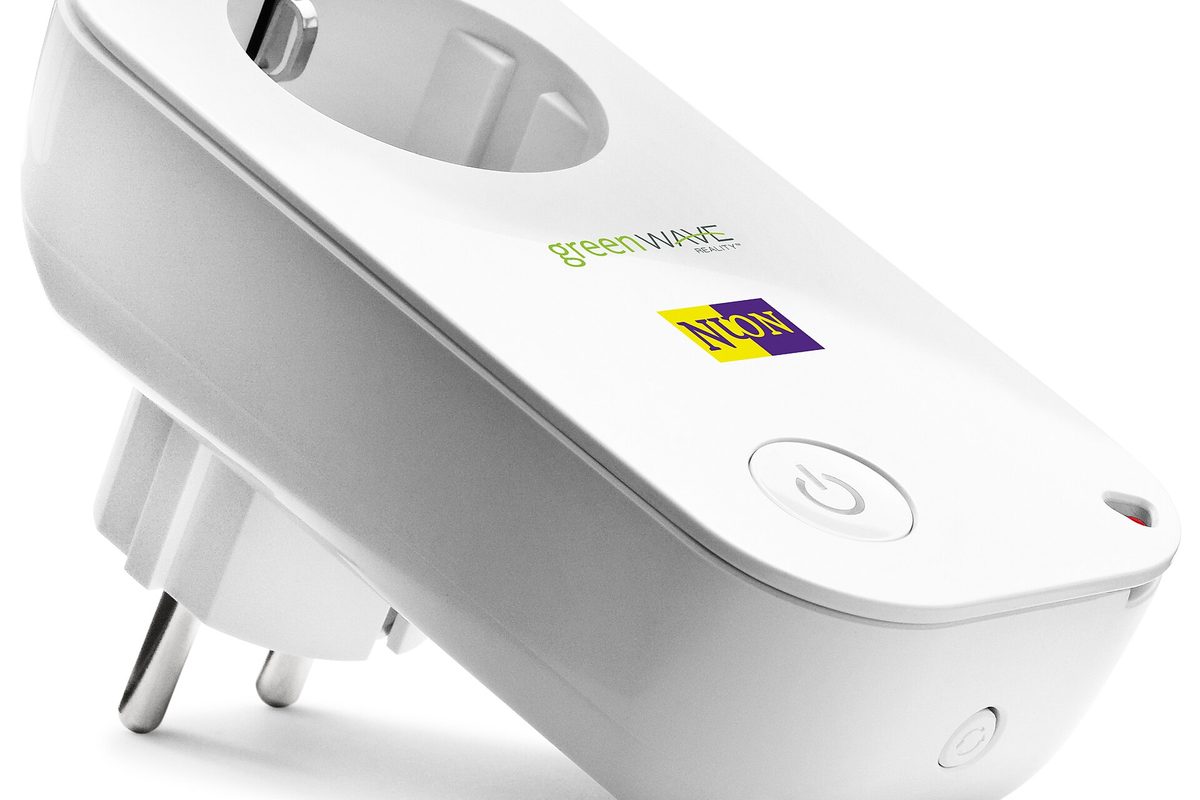
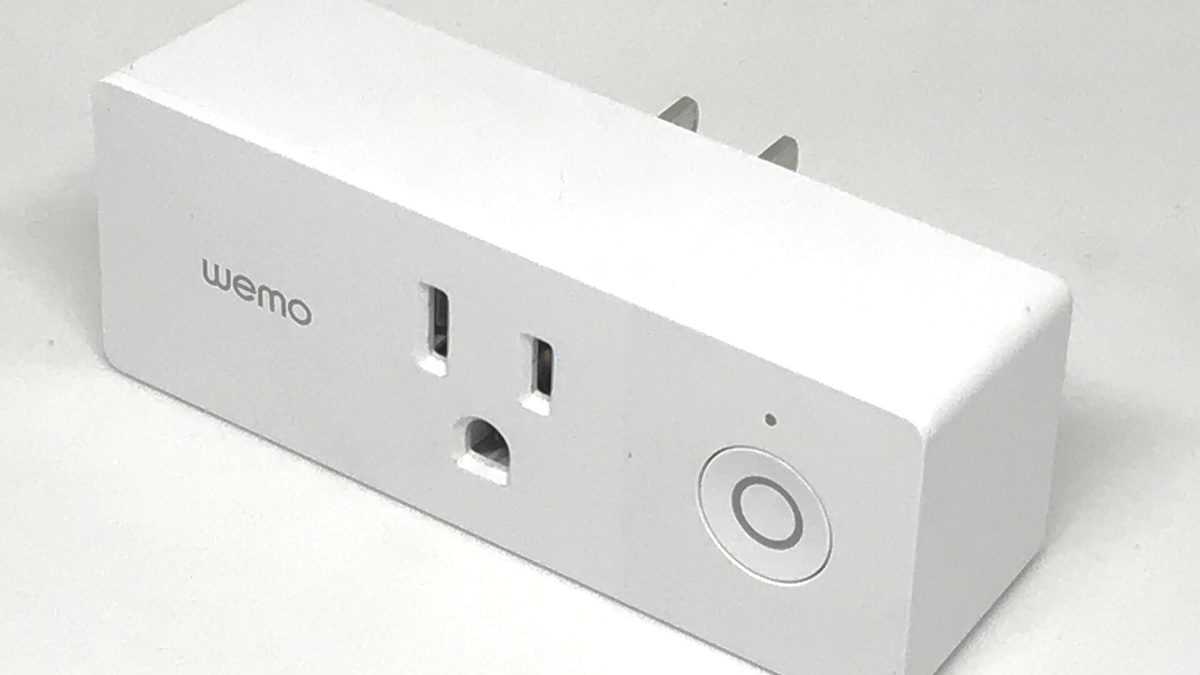
| 4. Control | 3 × smart plug | plugs in | $36 | Lamps, fan, coffee machine, and it measures draw |
| 5. Safety | 1 × leak sensor | sits on the floor | $16 | The one device that pays for the whole set |
| 6. Security | 1 × plug-in camera | shelf or tension mount | $20 | No drilling, no doorbell wiring |
They are the most-recommended first purchase and the weakest. A bulb is dead when the wall switch is off, adds around 1.1 W of standby each, and does not move well between homes. A smart plug on a lamp does the same job and survives being switched off.
Mounting that comes off cleanly
Adhesive is the whole game, and the wrong adhesive costs a deposit.
- Removable mounting strips for anything on a painted wall. They pull away by stretching, not peeling, and take nothing with them. Rated well past the 20 g of a contact sensor.
- Original factory tape is generally 3M VHB, which is permanent. Replace it before mounting, not after, because removing VHB from plaster is how paint comes off.
- Tension rods and over-door hooks for cameras. A tension rod in a window recess gives a camera a wide view with zero contact with the wall.
- Sensors on the door, magnet on the frame, never the reverse. Frames are usually gloss-painted wood, which releases adhesive far more cleanly than a matt emulsion wall.
One practical note from our own move: photograph each sensor position before removal. Re-establishing the same geometry in a new flat takes minutes with a photo and an hour without.
Five automations that work in a rental
None of these need a wired switch or a thermostat you are allowed to replace.
The fourth one is worth calling out. A smart plug that measures power turns any dumb appliance into a reporting one: the washing machine draws over 5 W while running and drops below it when the cycle ends, so the plug knows the laundry is done without the machine knowing anything at all.
What renters genuinely cannot have
Being straight about the ceiling, so you do not spend money finding it:
- Smart thermostats in a flat with communal or landlord-controlled heating. Smart thermostatic radiator valves are the workaround, they screw onto the existing valve body and come off at the end of the lease.
- Video doorbells that need existing bell wiring. Battery models exist, but most still need a bracket screwed to the door frame, so check the lease.
- Smart locks on the front door of most rentals. A retrofit that keeps the existing cylinder and grips the thumbturn from inside is the only kind that leaves the lock untouched.
- In-wall switches, at all. A battery wall remote stuck beside the existing switch does the same job.
Frequently asked
Will adhesive sensors survive a year on the wall?
Yes on gloss and semi-gloss, reliably. On matt emulsion, expect one or two to fall in the first month, usually the ones on a wall that gets sun. Move those to the door frame.
Can I take everything to a new flat?
Every device here, yes. The hub keeps its device pairings, so most of the setup comes back up as soon as it is powered, and only sensors whose room assignment changed need renaming.
Do I need the landlord's permission?
Not for anything that is plugged in or stuck on. Cameras pointed at shared corridors are a separate matter and are restricted in many jurisdictions regardless of the lease.
Is Wi-Fi enough, or do I need the hub?
For six devices or fewer, Wi-Fi is fine. Past that, battery sensors on Wi-Fi drain fast and congest the band. The $60 hub is what makes CR2032 cells last two years instead of two months.
Keep reading
 Pairing
"Your device requires a Thread border router": the real fix
The error almost never means what it says. Nine times out of ten the border router exists and IPv6 is the thing that is broken.
 Radio
RadioZigbee and Wi-Fi on 2.4 GHz: pick the channel that stops the drops
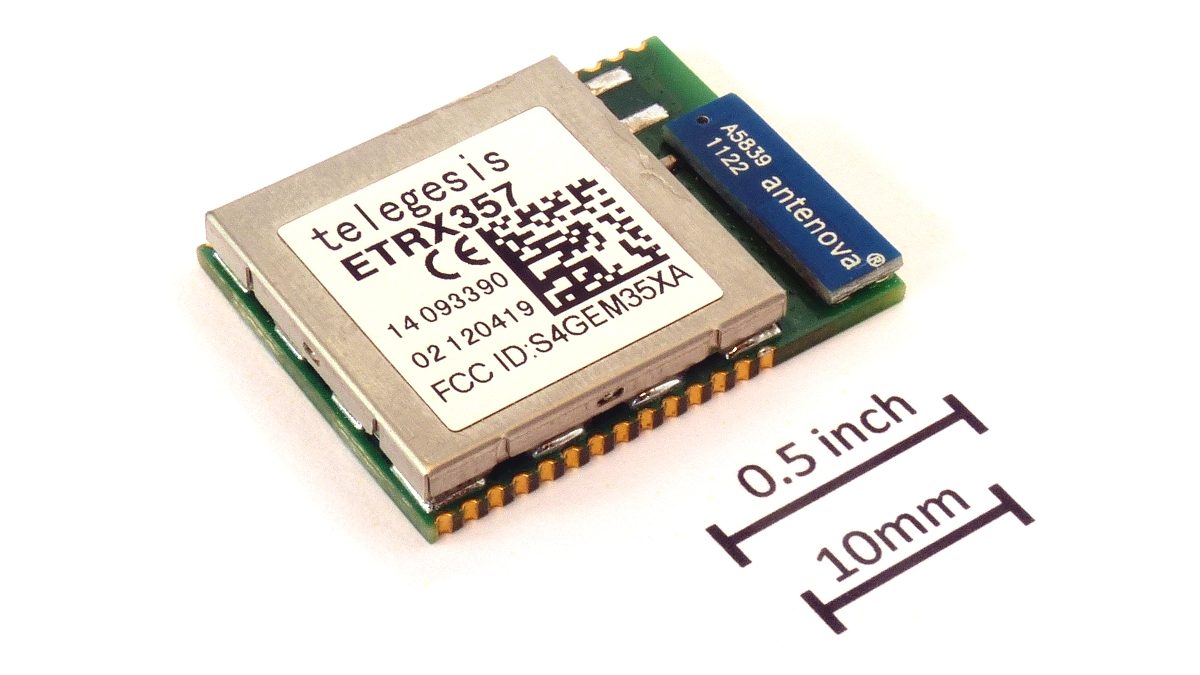
Zigbee 15, 20 and 25 exist for a reason. Here is the overlap map and how to move channel without re-pairing forty devices.
 Longevity
The great bricking: how to buy gear that outlives its manufacturer
Wemo's cloud went dark in January 2026. Here is the four-question test we now run before any purchase.